Dry Needling & Cupping
Dry Needling & Cupping
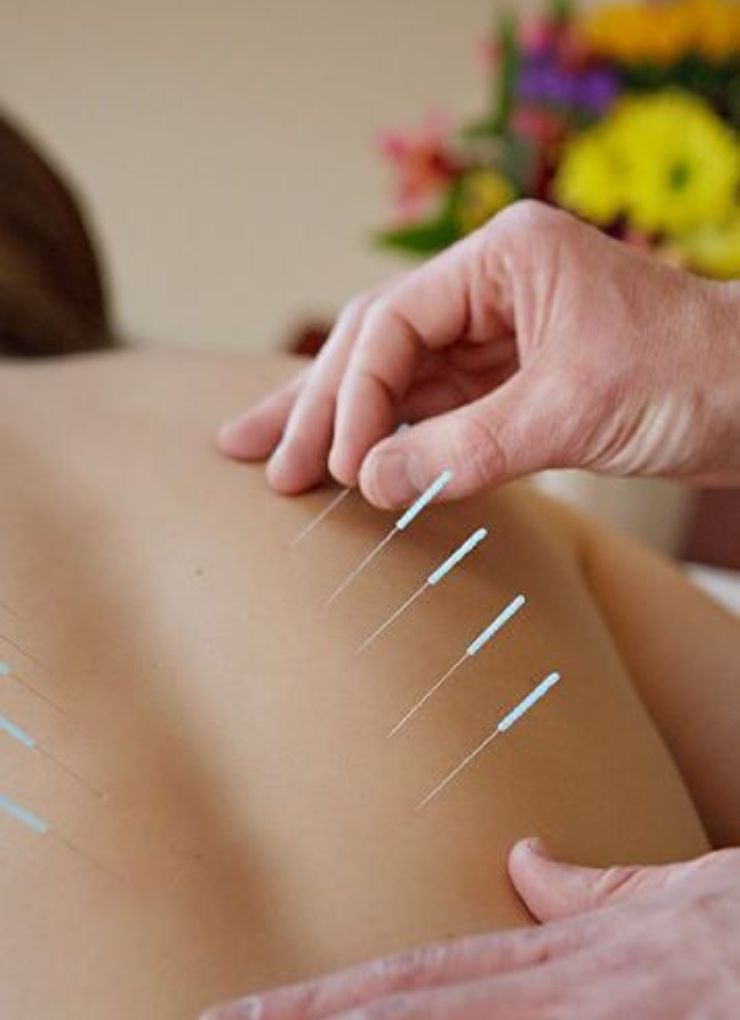
Dry Needling is a specialized technique used by physiotherapists to relieve muscle pain and tightness. It involves inserting fine, sterile needles into trigger points—tight bands of muscle—to release tension, enhance circulation, and reduce discomfort.
Cupping Therapy uses suction created by glass or silicone cups placed on the skin. This gentle suction helps boost blood flow, ease muscle stiffness, and accelerate healing. It is commonly used to treat conditions such as back pain, tension headaches, and inflammation.
At APOC, our trained physiotherapists carefully assess your condition and recommend the most suitable therapies for your recovery.
Contact us today or visit our clinic to learn more or book a session—we’re here to help you feel better, faster.
Service Benefits
Comprehensive Home Assessment
We evaluate the source of your pain right where you feel most comfortable.Personalized Treatment Approach
Each therapy session is designed specifically for your needs and recovery goals.Expert Hands-On Care & Exercise Guidance
Receive professional treatment and exercises proven to aid healing.Enhanced Mobility & Injury Protection
Strengthen your balance and move confidently in your own space.Convenient, Safe, and Results-Driven
Experience effective pain relief without leaving your home.
Care That Moves With You
At APOC, we believe quality care should be convenient. Our home physiotherapy helps you move better, get stronger, and live pain-free.
Committed to Your Wellbeing
Our expert physiotherapists work closely with you to rebuild strength, improve movement, and ensure lasting recovery—just like in our clinics.
FAQ
Dry needling can be effective in treating conditions such as muscle pain, tension headaches, back pain, neck pain, sciatica, and other musculoskeletal disorders. It is often used for myofascial pain syndrome, where tight muscle knots (trigger points) cause pain.
Dry needling is generally considered safe when performed by trained healthcare professionals. However, like any treatment, there may be some risks, such as minor soreness, bruising, or, in rare cases, more serious complications. It’s important to discuss any concerns with your therapist beforehand to ensure the treatment is suitable for your condition.
Most people report only mild discomfort during the procedure. The sensation may include a small pinch, a brief cramping feeling, or a twitch in the muscle. Afterward, some individuals may experience soreness similar to the feeling after a workout, but this typically resolves within a day or two.
Phone Numbers:
+91 81687-83606
Email id:
apoccentre@gmail.com
Address:
194-L, Satiya Mandir Road, near Patanjali Store, Model Town, Karnal, Haryana 132001